How to choose the right story, format, and starting point for your business
You know you need a video, but do you have any idea what kind?
That really depends on what you want your audience to understand about your business. Maybe your process is difficult to explain on a website, or there’s part of your work that makes much more sense when people can see it in action. Sometimes, giving potential clients a better sense of what working with you feels like can make all the difference.
What We Will Cover
- Video quality and how much it can directly impact your credibility and trustworthiness.
- Four types of videos that can help you build trust with new clients, what each one does, and how to use or combine them to achieve different results.
- The strongest places to start when beginning your journey with video content.
- Starting with your story instead of sweating the small details involved with production.
Video Quality is a Necessity
Before choosing a type of video, it’s worth understanding the impact that video quality can make for you and your business. Viewers judge your business by what they see and hear, often in the first few seconds. Muffled audio, shaky framing, or a muddled message tells them something about your business before a single word of your story lands.
In Wyzowl’s 2026 survey, 89% of consumers said video quality affects how much they trust a brand. That doesn’t mean every video needs a film crew; it just means the basics matter: clear sound, decent light, steady framing, and a message the viewer can follow without effort. Viewers forgive a video shot on a phone. They aren’t as likely to forgive one they can’t hear or follow.
Think of video content as a balancing act. Polished production builds credibility, but an overly scripted, stiff performance does the opposite. People can tell when someone is performing, and it makes them trust the message less. The goal is production quality that’s high and a delivery that still feels human. The golden combination to build trust is clean audio and honest delivery.
The Fantastic Four
- Brand story: someone lands on your website, curious but apprehensive. A brand story fills that gap by showing the heart behind the business and why you do what you do; something a service page can claim but rarely expresses in a way that humans can connect to. An example of this is a founder who started a nonprofit after their own experience as a consumer of the group they now serve. That context doesn’t fit well into a bullet point, but it’s often a crucial perspective that potential clients on your site need to determine if they can trust you or if your business is just like every other cookie-cutter company.
- Teaching content works on a different level entirely. Nobody believes “we’re the experts” at face value; they believe it when they watch someone explain a confusing topic in a way that helps them genuinely understand it. A five-minute breakdown of how a process actually works or how to use or care for an item does more than a paragraph of credentials ever could. And remember: people search for the solution to a problem, and rarely for a company name, so this content shows up exactly when someone’s looking for it, showing them that you are the solution.
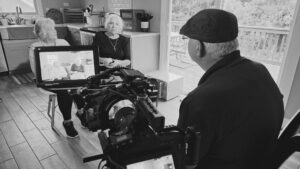
- Behind-the-scenes footage is the one most businesses skip, which is unfortunate, because it can have a significant impact on your incoming clients. It doesn’t need a script or a message to land. A client walking through your studio, a team meeting caught mid-conversation, the ten minutes before a shoot when nobody’s performing yet- these moments make a business feel authentic, more human. Using this type of content makes your business feel safer and more relatable; it takes the anxiety out of the first inquiry.
- Testimonials sit apart from the other three because the business isn’t the one talking this time. The best marketing to date has and always will be, word of mouth, and although it’s digital, this is still considered as such. People will trust a testimonial long before they trust what the company says about itself.
These don’t need to stay separate to be effective either. In many cases, they can be just as impactful when you combine them.
One Size Fits All Doesn’t Apply to Video
It’s tempting to think every video needs a single goal. In reality, a well-planned production can tell a more complete story by bringing different elements together in one piece.
Each of the different types of videos can hold its own on the internet; that doesn’t mean that we need to keep them separate from each other. By using the elements of one to enhance the elements of another, we can achieve different combinations and produce different or stronger results and reactions within your audience.
This is why we at Bellastrega don’t think every business needs to produce four separate types of video just because they exist. The better question is what story you want the audience to walk away with, and which pieces of your story are the ones you want to be unforgettable for your viewers.
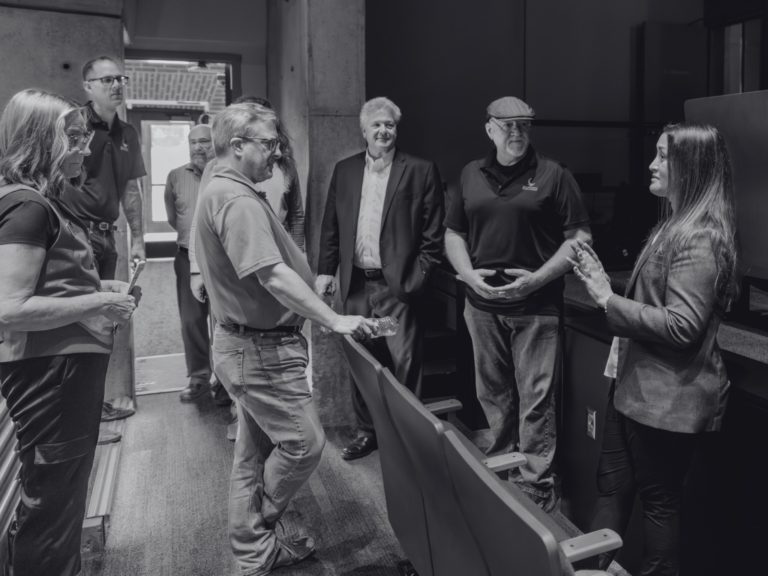
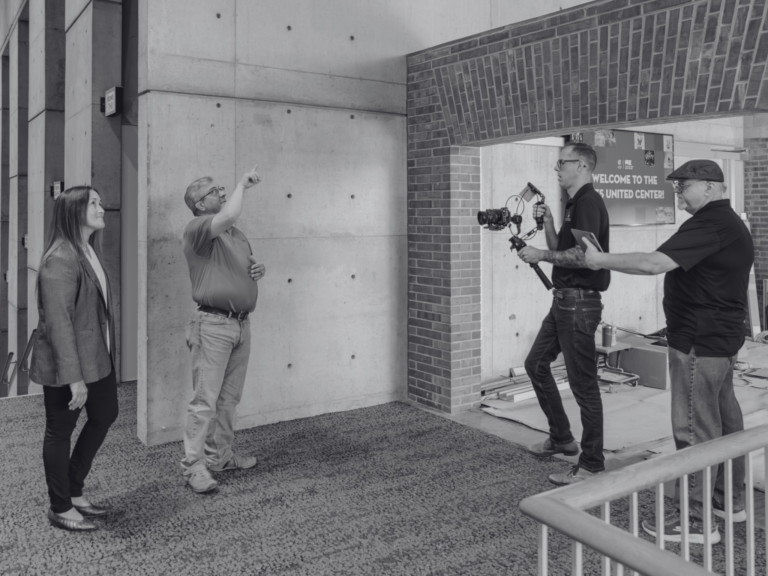
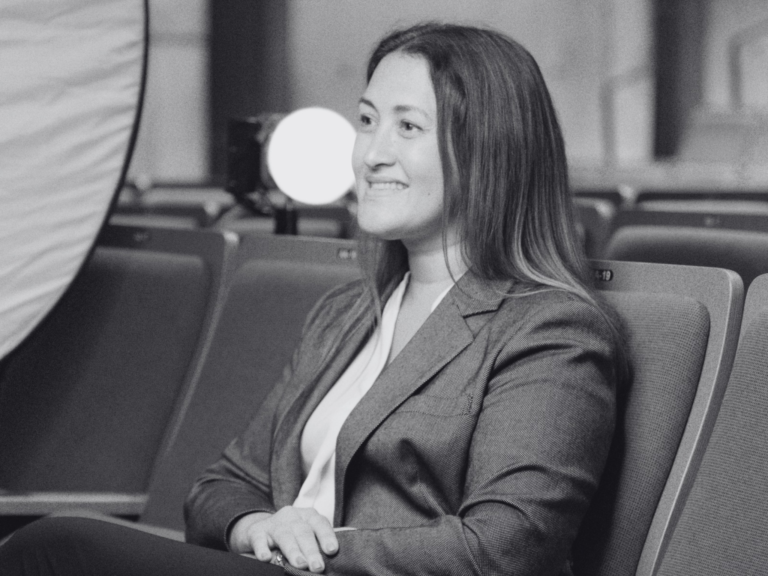
Our client Kotobuki International Seating is a good example of this combination strategy in practice. Instead of treating the brand story, behind-the-scenes footage, and testimonials as three completely separate pieces of content, we combined them into one 3-in-1 narrative. The result was a story that introduced the brand, showed the work behind it, and brought in the perspective of someone who had already experienced working with them, all in one production.
That kind of thinking changes how you approach the production of your video content. Instead of asking “what kind of video should we make,” start with “what does someone need to see, hear, or understand to remember and trust us.”
Story First, Equipment Later
Once you know what the video needs to accomplish, the production decisions become much easier. You can map out what needs to be filmed, who needs to be involved, what questions should get answered, and which moments are worth capturing. You can also think ahead about which platforms you want your production on and if it can be used in different ways.
This is where businesses tend to get into trouble; they focus more on the technical aspect of production rather than what they are trying to produce. Cameras, microphones, editing software, platforms, and formats all matter, but none of them can tell you what your story should be.
We approach it from a different perspective. Before worrying about equipment or final format, we look at the business, the audience, the purpose of the video, and the message we are trying to convey. Once those pieces are clear, the production gets built around them, which also helps avoid the common problem of ending up with a beautiful video that has no clear purpose in the business’s marketing.
Knowing What to Say
This is one of the biggest challenges we see. A business may know it needs better video content, but the people behind it don’t always know how to turn their everyday work into a story.
Figuring out what to film, what questions to answer, which parts of their process would interest their audience, or how to feel comfortable and how to feel comfortable and act naturally on camera. Some assume everything needs to be scripted and polished before the camera ever comes out. It doesn’t.
Part of what we do at Bellastrega is help clients recognize the stories that are already there and figure out how to capture them in a way that feels organic and genuine. Sometimes that means developing the concept before the shoot. Sometimes it means asking the right questions during filming. And sometimes it means guiding someone through a process they’ve done hundreds of times but never had to explain to an audience before.
That’s where having a director in your pocket can come in handy. You don’t have to become a filmmaker to use video content effectively. You need someone who can help you build a strategy, organize your information and content, and brainstorm new ideas and techniques with you.

Knowing Where to Start
If a business can only make one type of video for the time being, testimonials are usually the strongest place to begin. They shortcut the trust-building process by taking proof that already exists inside your client relationships and putting it in front of the people deciding whether they can trust you and your business.
Before that, the most important first step is deciding what you want your audience to understand about your business, and whether that story is better told as one blended piece instead of four separate ones.
Here is a little guide to help you figure out which areas you may need to focus on:
- If people don’t know the person or purpose behind the business, then the brand story needs attention.
- If they’re unsure if you have the expertise to help them, then teaching content gives them a way to experience it.
- If your audience needs more trust or to feel safer inquiring with you, behind-the-scenes videos can make you feel safer and more relatable, easing that anxiety.
- If they already know what you do but need a little reassurance before deciding, a testimonial may be the better place to start.
And don’t forget that it’s 100% acceptable to mix and match.
Let Video Be More Than Filler Content
Video works best when it has a clear reason for existing, answers a question or solves a problem, tells a story, demonstrates something real, or gives your audience a perspective they can’t get from a static post.
At Bellastrega, we treat video as part of the larger marketing system rather than an isolated piece of content. Depending on the project, that might mean developing a brand story, building out teaching content, capturing behind-the-scenes footage, producing testimonials, or combining several of these into one larger narrative, and then thinking through how the footage can work across your website, social media, advertising, and emails.
The goal isn’t the most complicated, polished production possible. It’s something that tells the right story and gives you something useful to work with long after the shoot ends.